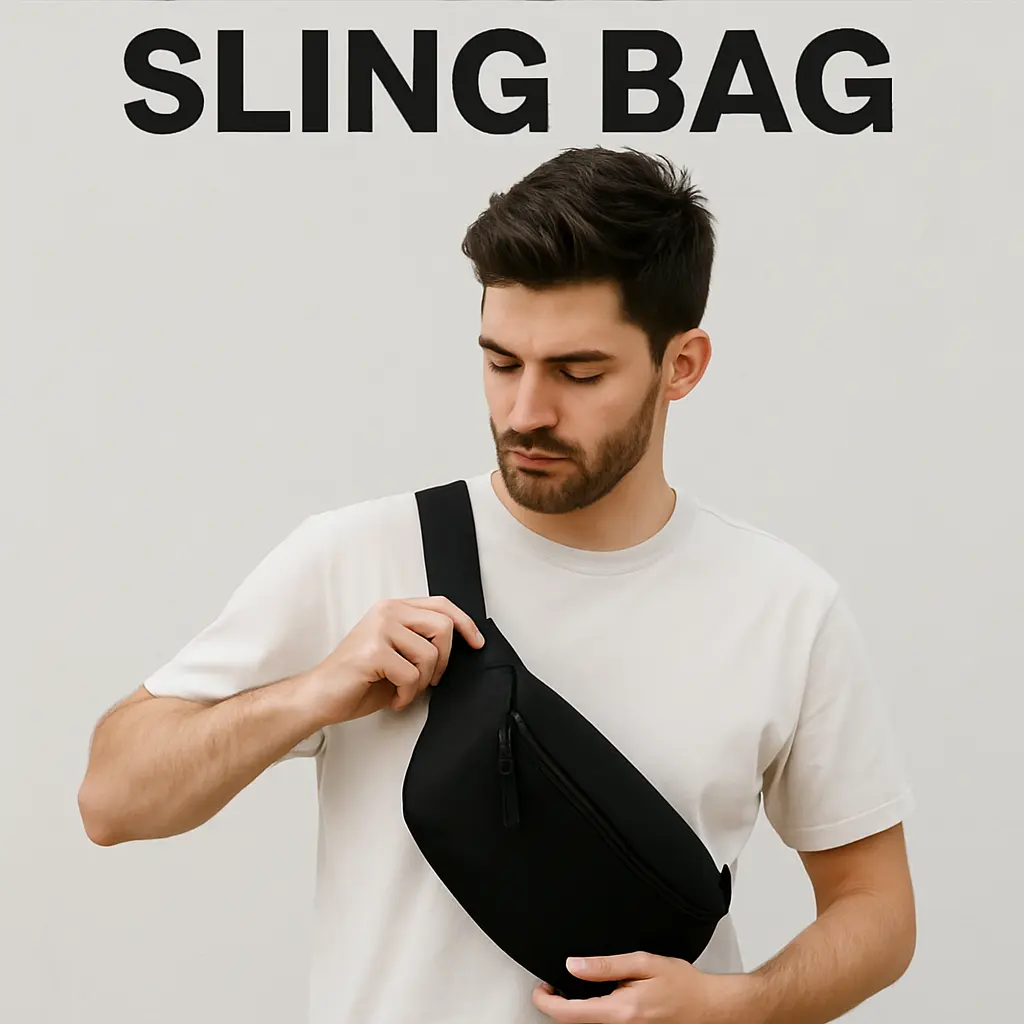
Wearing sling bags the right way is more important than most people think. Many users buy a sling because it looks good and feels light, but they do not know the correct way to wear it. This guide is for beginners, daily users, and travellers. It helps you use a sling without pain, discomfort, or safety problems. In this article, you will learn how to wear a sling bag correctly for everyday life. We show how to adjust the strap. We also explain where the bag should sit. Different wearing positions can change comfort. You will also learn how to wear your sling bag for travel, school, work, and quick errands. This guide covers practical tips, not fashion hype. Wearing a sling the wrong way can cause shoulder pain, neck strain, and poor posture. Over time, this can feel worse than carrying a small backpack. Sling bags are essential when used in the proper way. They keep your hands free and your items safe. This guide focuses on real-life experience, simple steps, and clear advice. No matter if you like crossbody bags, shoulder bags, or a casual style, this article will help you find the safest and best option for you.
What is a sling bag?
A sling bag is a small, light bag. It has one long strap that crosses the body in a diagonal manner. A sling bag allows you to carry your daily items with convenience. It won’t weigh you down or feel restrictive like bulky bags do. Many people use it for short trips, daily commutes, and travel. It stays close to the body, so it allows quick access to essentials. Most sling bags come with an adjustable strap, so users can fit the bag to their height and comfort level. You can wear it across the body or shift it depending on your activity. This simple design gives the sling bag strong versatility for different lifestyles.
What Makes a Sling Bag Different from Backpacks & Crossbody Bags?
Sling bags may look similar to other bags, but their structure and use are different. The table below explains this clearly for beginners.
| Feature | Sling Bag | Backpack | Crossbody Bag |
|---|---|---|---|
| Strap Design | One-strap design | Two shoulder straps | One long strap |
| Carry Position | Across your chest or back | On both shoulders | Side carry |
| Size | Compact size | Medium to large | Small to medium |
| Access Speed | Quick access | Slower | Moderate |
| Best Use | Daily errands, travel | Heavy loads | Light casual use |
- One-strap design: A sling bag uses a single strap instead of two. This makes it easier to move the bag from back to front without taking it off.
- Compact size: Most sling bags are made to carry only what you need, like a phone, wallet, keys, and a water bottle. This helps reduce shoulder strain.
- Faster access: You can slide the bag forward and open it without removing it. This is helpful in crowded places or during travel.
Why Sling Bags Are So Popular Today?
Sling bags are popular because they fit modern life. They are easy to use, comfortable, and practical.
- Daily errands: For short trips, shopping, or walks, a sling bag keeps your hands free and your items close.
- Travel & commuting During travel or daily commutes, sling bags offer safety and control. You can keep the bag across your chest in crowded areas for better security.
- Fashion and function balance: Many people like sling bags because they mix comfort with clean design. With adjustable straps, users can change how the bag sits and match it with different outfits. This balance of use and appearance adds to the overall versatility of the sling bag.
From real-world use, designers now focus on comfort, safety, and fit. A sling bag can replace bulkier bags for light, everyday use. It looks neat and is practical, too.
How to Wear a Sling Bag (Step-by-Step for First-Time Users)
Wearing a sling bag correctly can boost your experience, especially if you’re new to it. Many people feel discomfort due to their lack of knowledge about how to wear it correctly. This guide focuses on everyday use and real testing, not fashion trends. Follow these steps to stay comfortable and safe while you’re wearing a sling bag.
Step 1: Adjust the Strap Length First
Before putting the bag on, adjust the strap to fit your body. This is the most important step.
Where the bag should sit: The bag should rest near the middle of your chest or upper back. When worn correctly, the sling bag stays stable across your body. It won’t bounce as you move. The ideal position is where the bag feels balanced and easy to reach.
Loose vs. tight fit: A loose strap makes the bag swing, while a very tight strap can cause shoulder pain. Adjust it until the bag feels firm but not tight. A well-adjusted bag will stay in place without pressing into your shoulder.
Step 2: Choose Your Carry Position
There is no single correct position. The best option depends on your activity and comfort.
Chest carry: Many users prefer to cross the chest for better control and security. Wearing the bag this way allows for fast access and works well in crowded areas.
Back carry: This position is useful for longer walks or casual use. It feels like a small backpack but is lighter and easier to manage.
Side carry: gives a relaxed look, like a messenger bag or crossbody sling. It works best for short trips and light items.
Step 3: Secure the strap for movement
Once the bag is in place, make sure it stays secure during movement.
Walking: Check that the strap does not slide off your shoulder. A stable fit keeps the bag comfortable for long walks.
Cycling: Tighten the strap enough to keep the bag close to your body. This is especially important if you are wearing a tactical sling bag for outdoor use.
On public transport in buses or trains, move the bag to the front. This keeps your items safe and avoids bumping into others. Designers create many tactical sling bags for this kind of control.
Common Wearing Mistakes to Avoid
A good sling bag feels uncomfortable when someone wears it incorrectly.
Too low or too high: A bag that hangs too low pulls on your shoulder. A bag that sits too high feels tight. Keep it centred and balanced.
Overloading: Do not treat a sling bag like a backpack. Carrying too much weight can cause strain, even if the bag looks strong.
Wrong shoulder usage: Switch shoulders during long use to reduce pressure. Users who wear a tactical sling bag for extended hours frequently share this tip.
Helpful Styling Tip
As a simple part of styling tips, choose a carry position that matches your outfit and activity. Comfort should always come first, but balance and fit also improve how the bag looks and feels. By following these steps, you can wear your sling bag with confidence and comfort every day.
Correct Sling Bag Position & Strap Length Guide
Finding the correct position and strap length is the safest way to carry a sling bag. Many comfort issues come from poor adjustments, not from the bag itself. This guide comes from real-life use and testing. It covers daily carry needs and long-wear situations. It helps you adjust the bag right for commuting, travelling, or running errands.
Ideal Strap Length by Height (Men & Women)
The strap length should match your height so the bag sits in a natural position. Manufacturers make most sling bags with adjustable straps to fit different body sizes.
| User Height | Recommended Strap Length | Fit Result |
|---|---|---|
| Short (Below 5’4″) | Short to medium | The bag stays close to the chest or the upper back |
| Average (5’5″–5’9″) | Medium | Balanced fit with easy access |
| Tall (Above 5’10”) | Medium to long | Comfortable reach without pulling |
A good fit means you can wear a sling bag for long hours without strain. Always test the strap before leaving home.
Where a Sling Bag Should Sit on Your Body
The position of the bag affects comfort, balance, and safety. Different activities need different placements.
Chest positioning: This position works best in crowded areas. It gives full control and quick access while wearing the sling. Many users prefer this for travel and public transport.
Back Positioning: Wearing the bag on your back feels natural for walking and casual use. It distributes weight in a balanced manner. It also pairs well with strong materials that maintain shape and support.
Side positioning: Side carry gives a relaxed feel, like a waist bag, belt bag, or waist pack, but with more space. This position works best for light loads and short outings.
Bag Size vs Body Size (What Looks & Feels Right)
Choosing the right bag size improves both comfort and appearance. A bag that is too large can look bulky, while a very small bag may not meet daily needs.
| Body Size | Recommended Sling Size | Best Use |
|---|---|---|
| Small frame | Compact sling | Phone, wallet, keys |
| Medium frame | Medium sling | Daily items, charger |
| Large frame | Medium to large sling | Travel or long outings |
Different sling styles suit different needs. If you plan to wear the bag daily, choose a size that matches your body and activity. This helps avoid discomfort and keeps the bag stable. By adjusting the position and strap length, you enhance comfort and safety. This simple setup helps you enjoy your sling bag as a reliable daily companion.
Different Ways to Wear a Sling Bag (When to Use Each Style)
One reason sling bags are so popular is that they offer multiple ways to wear them. You can adjust a sling bag to match your activity, comfort needs, and personal style. Once you know how to wear each option, you can change positions easily during the day. Below are the styles that are most practical and commonly used.
Wearing a Sling Bag Across the Chest
Wearing a sling bag across the chest is one of the safest options, especially in busy places. In this position, the bag stays in front of your body, making it easy to see and protect.
Best for security and quick access: When in crowds or travelling, wear your sling bag in front. This way, you can easily grab your phone, wallet, or keys. Keep a firm grip on it.
This method works best when you wear the bag across your body. Hold it firmly, but don’t grip too tightly. Many users prefer this for city walks and public transport.
This style is great with a crossbody sling bag. It balances weight and keeps the bag stable.
Wearing a Sling Bag on the Back
A sling bag on your back feels natural and relaxed. It spreads the weight evenly. This makes it great for long walks and outdoor activities.
Best for long walks & comfort: This style suits users who carry light items for many hours. The sling bag can be carried this way when comfort matters more than the speed of access. It feels like a small backpack but remains lighter and easier to manage.
Wearing a Sling Bag Over One Shoulder
This style is simple and casual. It works best when you carry the bag for a short time.
Casual, short-term use: Wearing the bag over one shoulder gives a relaxed look. It is useful for quick trips but not ideal for long wear. If you wear a sling bag like this for many hours, the shoulder may feel tired.
Side Carry Style (Relaxed Everyday Look)
Side carry is another comfortable option that gives a clean bag look.
Relaxed everyday look: In this position, the bag sits near your hip or side. Some users also carry the bag around their waist for short walks or errands. Sling bags come in designs that support side carry without slipping.
Quick Comparison: Which Style to Choose?
| Style | Best Use | Comfort Level |
|---|---|---|
| Chest | Crowded places, travel | High |
| Back | Walking, outdoor use | Very high |
| One shoulder | Short trips | Medium |
| Side carry | Daily errands | Medium |
You can carry a sling bag in different ways depending on your needs. You can choose chest or back positions for safety or comfort, then switch when needed. With the right change, your sling bag stays practical and comfortable all day.
How to Wear a Sling Bag Without Shoulder or Neck Pain?
Shoulder and neck pain often come from figuring out how to wear a sling bag the wrong way. Comfort depends on weight, balance, and how long you carry the bag. This section comes from real user experiences and daily tests. It aims to help you wear a sling bag in a way that ensures safety and comfort.
Weight Limits You Should Not Exceed
Carrying too much weight is the most common cause of pain. Even a strong sling bag is not made for heavy loads. What’s safe for daily use? For daily use, keep the total weight light. Phones, wallets, keys, and small items are ideal. Overloading the bag causes pain, even with a chest strap or high-quality materials.
| Bag Type | Safe Weight Range |
|---|---|
| Small sling bag | 1–2 kg |
| Medium sling bag | 2–3 kg |
| Large sling bag | 3–4 kg |
Choosing the right size helps prevent strain. This is why choosing the right sling bag matters as much as how you wear it.
Choosing the Right Shoulder
The shoulder you use affects comfort during long wear.
Dominant vs. Non-Dominant Shoulder: Most people favour their dominant shoulder. But switching can help reduce stress. Try both sides and see which feels more natural. If you wear it as a waist carry for short breaks, your shoulders also get rest.
Strap Padding & Load Distribution Tips
Why padding matters: A padded strap spreads weight and reduces pressure. Thin straps cut into the shoulder and cause discomfort, especially during long walks.
Adjusting for balance, adjust the strap so the bag rests flat against your body. A sling bag this way stays stable and does not pull on your neck. Balance matters whether you wear it in front or as a sling bag across your back.
When to Switch Sides During the Day
Wearing the bag on one side all day can lead to muscle fatigue. Switching sides every few hours helps reduce stress. This is one of the easiest ways to stay comfortable, especially since there are many ways to wear a sling bag.
Extra Comfort Tip
When you choose a sling bag, look for padded straps, light materials, and a simple shape. Many users prefer sling bags in neutral colours. A black sling bag is especially easy to match and wear every day. Adjust the weight, switch shoulders, and balance the load. This way, you can wear a sling bag that provides comfort throughout the day without causing pain.
How Men Should Wear a Sling Bag (Practical & Stylish Tips)
For men, a sling bag is a practical sling that fits daily life without feeling bulky. The design of sling bags focuses on comfort, balance, and easy access. Today, men have many sling options. They can pick a style for casual wear, the office, or travel. Whichever way you wear it, the right fit and position matter most.
Casual & Streetwear Looks
Sling bags are great for everyday outfits. They pair well with jeans, t-shirts, hoodies, and sneakers. Sling bags fit snugly against your body. They’re perfect for casual outfits. Wear the bag across your body for better balance and movement. Adjust the strap so the bag rests near your chest or upper back. This keeps the bag stable and improves comfort. Many men try wearing the bag in front for quick access during daily walks or shopping. Compared to a larger backpack, a sling bag feels lighter and looks cleaner for casual use.
Office & Smart-Casual Outfits
In office or smart-casual settings, choose a simple design with clean lines. Neutral colours and smooth materials work best. A sling bag keeps your essentials organised without looking bulky or distracting. Wear it on your back or side for a neat appearance. Keep the strap adjusted so the bag does not hang too low. It provides a convenient way to carry your phone, wallet, and notebook. Plus, it helps you look professional.
Travel & Commuting Use
For travel and daily commuting, sling bags offer flexibility and control. The sling bag keeps your items close and secure while moving through busy areas. You can shift the bag from back to front depending on the situation. This flexibility helps during walking, public transport, or waiting in line. Many men prefer sling bags over a larger backpack when they carry only light items. Men can wear a sling bag with ease and assurance in any setting. Choose the right fit and adjust the strap properly.
How Women Can Wear a Sling Bag Comfortably & Stylishly?
For women, a sling bag is both functional and fashionable. A well-chosen sling bag feels light, looks clean, and supports daily movement. Each bag designed for women focuses on balance, comfort, and fit. When it fits well, the sling bag hugs your body. It won’t cause any strain.
Everyday & Casual Outfits
For daily use, sling bags work well with jeans, tops, and casual footwear. Choose a medium or compact size instead of a larger bag to keep the look simple and comfortable. Wear the bag across your body to distribute the weight evenly. This position helps the body of the bag rest flat and prevents swinging. Most users find that the bag is comfortable when it sits near the chest or upper back.
This setup allows for smooth movement. You can wear the bag for hours without feeling uncomfortable.
Wearing Sling Bags with Dresses & Jackets
Sling bags also work well with dresses and outerwear. When wearing jackets or coats, adjust the strap so the bag stays visible and easy to reach.
A bag with a smooth shape and clean lines fits nicely with casual and semi-formal outfits. You can slide the bag onto one shoulder for short walks. But crossbody wear gives you better balance.
Comfort Tips for Long Wear
Comfort matters most during long use. Choose a bag with soft straps and a flexible structure. A sling bag that fits well stays close to the body and reduces shoulder stress.
Switch sides during the day to reduce pressure. Check that the bag is designed to sit flat and not pull on the neck. With the right fit and adjustment, a sling bag remains comfortable throughout the day.
Choosing the right size, fit, and position lets women enjoy a comfortable sling bag. It also adds a clean, stylish look.
How Teens & Students Should Wear a Sling Bag?
For teens and students, a sling bag should feel light, comfortable, and easy to manage. At a young age, posture and shoulder health matter. Wearing a sling bag the right way helps avoid pain and keeps daily school items safe. This advice comes from real classroom and campus use, not fashion trends.
School & College Use
For school or college, pick a compact or medium sling bag. It should hold your daily essentials. Books and heavy items should stay in a backpack, not a sling bag. A sling bag works best for notebooks, pens, ID cards, and small accessories. Wear the bag across the body so it stays stable while walking between classes. Keep the strap adjusted so the bag does not bounce or slide. This setup helps students navigate crowded hallways with ease.
Carrying Tech Safely (Phones, Power Banks, Earbuds)
Students often carry phones and small tech items. Place these items in padded or inner pockets to reduce impact. Keep heavier items close to the body to maintain balance. Avoid stuffing the bag with cables and chargers. A good sling bag keeps devices safe and helps you find things easily during class breaks.
| Item | Best Placement |
|---|---|
| Phone | Inner pocket |
| Power bank | Back pocket |
| Earbuds | Small front pocket |
This simple layout reduces pressure and improves comfort.
Avoiding Shoulder Strain at a Young Age
Young shoulders are still developing, so weight control is important. Keep the bag light and switch shoulders during the day. Do not wear the bag on the same side for long hours. Adjust the strap so the bag sits near the chest or upper back. This position keeps the weight balanced and reduces strain. If you feel pain, remove items or take short breaks. Using a sling bag the right way helps teens and students stay comfortable. It also protects their posture and keeps their essentials safe during the school day.
Best Way to Wear a Sling Bag for Travel & Anti-Theft Safety
Travel often puts you in busy places where safety and comfort matter most. The best setup depends on where you are and how you move. Sling bags are popular for travel because they stay close to the body and allow fast access. This section explains how to use a sling bag safely, whether you’re commuting or exploring a new city.
Crowded Places & Public Transport
In crowded streets or public transport, wear the bag in front. Wearing your sling bag across the front keeps it visible and controlled. This position reduces the risk of someone opening the bag without you noticing. Choose a bag that’s light and easy to adjust. When the bag is worn across, it stays stable even when people move around you. This is a comfortable way to carry your items in busy areas.
Airports, Buses & Trains
During long travel hours, comfort matters. Sling bags work well for travel because they are small and easy to manage. In airports or buses, wear one sling bag across the chest while standing or walking. This helps keep documents and valuables safe. When seated, shift the bag slightly to the side to relax your shoulder. Many travellers find sling bags made from durable materials to be better for long trips. These materials hold their shape and protect items during movement.
Pickpocket Prevention Tips
Pickpockets target loose or hidden bags. Wearing it across the chest makes it harder for others to access your belongings. Use bags with secure zippers and inner pockets. Keep important items close to your body. Designers create sling bags to sit snug against your body, which adds another layer of safety.
When to Wear It in Front vs Back
Front carry works best in crowds and public transport. Back carry feels better for walking in open areas. The bag is likely safest in front when you stop or remain stationary.
| Situation | Best Position |
|---|---|
| Crowded streets | Front |
| Airports & stations | Front |
| Long walks | Back |
| Sitting | Side |
Designers create sling bags to offer flexibility. Travellers can choose from many sling styles. These options support everyday carry needs. Plus, they let you wear the bag comfortably for hours. Wearing it this way protects your belongings and keeps travel stress low. Choose the right position and adjust the fit for the best results.
How to Wear a Sling Bag with Jackets, Hoodies & Coats?
Wearing a sling bag with outerwear can be tricky if you don’t make the necessary adjustments. The key is comfort, accessibility, and maintaining the crossbody style. With a few practical adjustments, your bag stays secure and stylish in any weather.
Summer vs Winter Wearing Styles
In summer, lightweight clothing allows for tighter and closer adjustments. Wear the bag snug against your chest or back so it does not swing. For winter, bulkier jackets and hoodies must have straps that are a bit longer. This ensures the bag rests without compressing or causing strain over the layers.
| Season | Strap Adjustment | Bag Position | Notes |
|---|---|---|---|
| Summer | Shorter | Snug against the body | Quick access, minimal movement |
| Winter | Longer | Over layers | Comfort and mobility over bulky coats |
This setup fits many sling bags. It keeps the bag practical and allows free movement.
Over vs Under Outerwear
Wear the bag over thinner jackets and hoodies. For thicker coats, wear it slightly under or across.
- Over Outerwear: Great for lightweight jackets or raincoats. The bag features a design that enables quick access and a snug fit.
- Under Outerwear: Great for winter coats. It keeps the bag close and stable, so you can wear it without shifting.
Sling bags offer flexibility. You can wear them without difficulty over or under your outerwear. This gives you comfort and convenience.
Rainy & Cold Weather Adjustments
For rainy days, use water-resistant or coated sling bags. Make the strap a bit longer. This lets the bag rest comfortably over layers and stops it from sliding. In cold weather, make sure the bag doesn’t squash heavy sweaters or jackets. This keeps the weight balanced. Layer the bag properly, and it stays comfy. Your essentials are safe too. The bag is likely most comfortable when worn as a sling. Sling bags stay stable, no matter what you wear. With these changes, you can enjoy your sling bag all year. It keeps you practical and stylish, whether you wear jackets, hoodies, or coats.
Real-Life Sling Bag Use Scenarios (When It Works Best)
Sling bags are versatile, but knowing when and how to use them makes a big difference. They are lightweight, accessible, and integrate seamlessly into everyday life. Below are the most practical real-life scenarios in which sling bags shine.
Daily Commute
For commuting to work, school, or college, a sling bag keeps essentials close and easy to reach. Items like wallets, phones, keys, and small notebooks fit with ease. Wearing it across the chest provides stability on crowded buses or trains.
- Quick access to items without removing the bag.
- Keeps valuables visible and secure.
- Comfortable for short walks and stairs.
Quick Errands
A compact sling bag is great for errands. You can use it for grocery shopping or a trip to the post office. It reduces the need to carry a larger backpack, letting you move freely.
- Lightweight and easy to wear.
- Ideal for grabbing essentials like cards, IDs, or cash.
- Bags stay snug and don’t swing during movement.
Gym or Walking
Sling bags are practical for short workouts, walking, or jogging. They hold small water bottles, earbuds, and phones. Wearing the bag across the back or chest ensures stability while moving.
| Activity | Best Bag Position | Tips |
|---|---|---|
| Walking | Crossbody or back | Keep items light |
| Gym | Front or back | Access to locker keys or phone |
| Jogging | Front | Tight strap for stability |
Festivals & Events
At crowded festivals or outdoor events, sling bags are safer than backpacks. They keep valuables close and allow for freedom to enjoy the event.
- Bags stay snug against your body.
- Quick access to tickets, passes, or phones.
- Reduce fatigue compared to larger backpacks.
Travel Days
Travelling by plane, bus, or train calls for a sling bag to keep essential items close. You can easily grab travel documents, snacks, or personal items. There’s no need to take off your larger backpack.
- Bags are easy to wear crossbody style.
- Keeps valuables secure in front during crowded areas.
- Lightweight enough for long travel days without shoulder strain.
In all these scenarios, sling bags prove to be functional, stylish, and practical. Using them according to the situation maximises comfort, accessibility, and security.
Choosing the Right Sling Bag for Comfort & Daily Use
Choosing a sling bag is not only about style. It’s also about comfort and practicality. You want one that fits your daily routine well. A good sling bag makes it easy to carry your essentials. This is true for school, work, or travel. Focus on strap design, bag shape, and materials. This ensures comfort and usability over time.
Strap Material & Padding
The strap is the most important part for comfort. A padded, adjustable strap distributes weight evenly across your shoulder or chest. This helps to prevent strain.
- Soft padding reduces pressure on your shoulders.
- Adjustable length lets you customise the fit for your height and outfit.
- Durable materials prevent stretching or wear over time.
| Feature | Why It Matters | Tip |
|---|---|---|
| Padding | Reduces shoulder fatigue | Look for at least 1-inch thick padding |
| Adjustability | Custom fit for different body types | Test the strap in crossbody style |
| Strap Material | Strength & durability | Nylon, canvas, or reinforced leather works best |
Bag Shape & Compartment Layout
A bag’s shape and compartments affect organisation and accessibility. Shapes that are rectangular or slightly curved fit well against the body. They are also easier to carry for long periods.
- Many compartments help separate items, such as wallets, phones, and chargers.
- Quick-access front pockets save time during daily commutes.
- Slim profiles prevent the bag from swinging or digging into your body.
| Bag Shape | Best For | Notes |
|---|---|---|
| Rectangular | Everyday carry & tech | Holds phones, wallets, and small notebooks |
| Curved/Ergonomic | Casual & commuting | Fits body contours, less strain |
| Compact Square | Light essentials | Perfect for short trips or errands |
Fabric Choice (Nylon, Canvas, Leather)
The fabric affects durability, weight, and style. Sling bags are made for everyday use. Choosing the right material makes them comfy and lasts longer.
- Nylon: Lightweight, water-resistant, and perfect for travel or commuting.
- Canvas: Durable, casual look; holds its shape well.
- Leather: Chic and durable, it has extra weight, perfect for smart-casual looks.
Think about your daily routine. A water-resistant nylon bag works well for rainy commutes. Leather is great for the office or smart-casual outfits. The right material boosts comfort, helps the bag stay new, and protects the items inside. Pick the right strap, shape, and fabric for a sling bag that is comfortable and practical for everyday use.
Conclusion
Wearing a sling bag properly ensures comfort, style, and safety. Adjusting the strap and choosing the correct position helps prevent shoulder and back strain. Sling bags are versatile for daily commutes, school, travel, and casual outings. Choosing the right size, shape, and material makes carrying essentials easier. Switching shoulders and using padded straps adds long-term comfort. They allow quick access to valuables while keeping them secure. Experiment with different sling styles to find what works best for you. A properly worn sling bag combines practicality with fashion, making it an essential everyday carry item
Frequently Asked Questions
Is it better to wear a sling bag on the chest or back?
Wearing a sling bag on your chest is great for security and easy access. For long walks or travel, carrying it on your back is more comfortable.
Are sling bags safe for long hours?
Yes, if you pad and adjust the strap well, you can make the bag safe. Make sure it’s not overloaded. This way, you can carry it for long hours without hurting your shoulders or back.
Can a sling bag replace a backpack?
For light essentials, yes. But for heavy books, laptops, or gym gear, a larger backpack is better. Sling bags are ideal for everyday carry.
Which shoulder should I wear a sling bag on?
Use your dominant shoulder for short periods and switch sides during the day to avoid strain. Comfort and balance matter most.
Are sling bags good for travel?
Absolutely. Sling bags keep your valuables close. They offer quick access and work great as crossbody bags. This makes them perfect for crowded airports, buses, and trains.