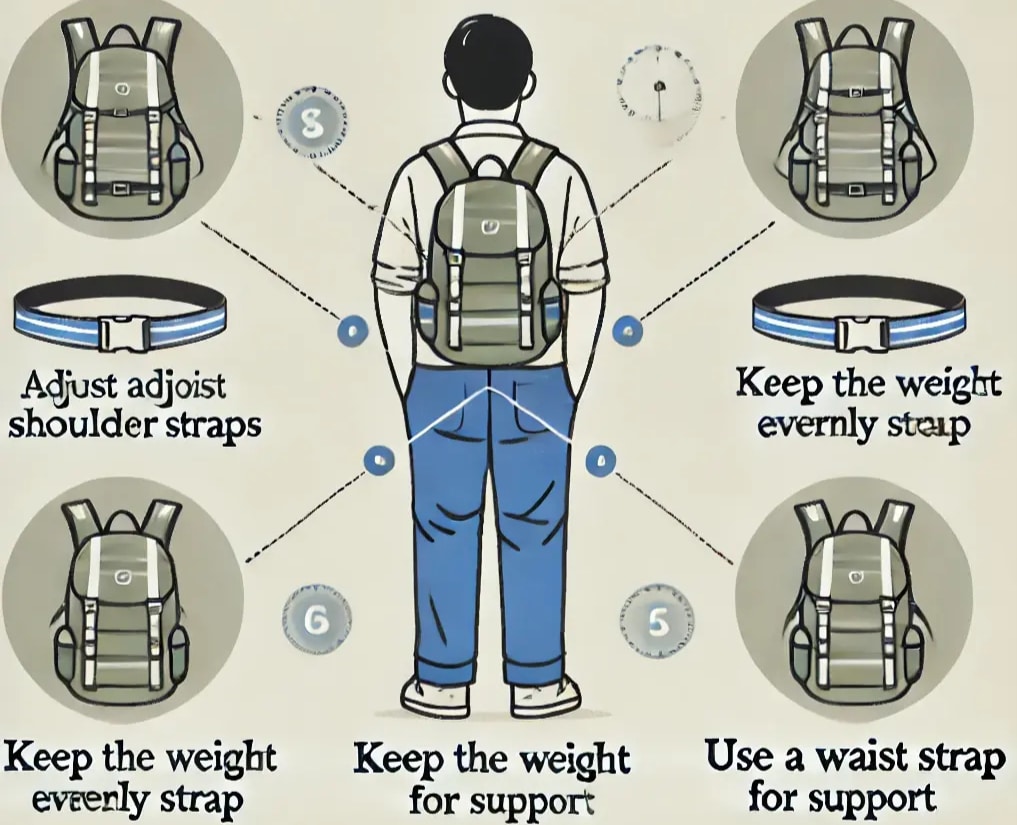
Wearing a backpack can be beneficial for posture, but the answer is not a simple yes or no. Many people use a backpack every day for school, work, or travel, yet few understand how it affects the body. A properly worn backpack distributes weight equally across both shoulders. This supports the spine and helps keep the body balanced. This balanced load can lead to better posture and reduce strain on the shoulders and lower back. A heavy or worn-out backpack can pull your body forward. This can cause poor posture, discomfort, and back pain over time. Knowing how a backpack interacts with your body is crucial. This helps you use it as a support tool instead of a cause of poor posture.
Can a Backpack Actually Improve Your Posture?
Yes, a backpack can improve posture, but it is important to use it in the correct manner. The effect depends on how the body handles weight while wearing a backpack. Even weight distribution across the upper body helps maintain balance and supports an upright posture. This balance helps keep your spine aligned. It also lessens pressure on your muscles and joints. From a posture and movement view, centering the weight allows the body to work best. A backpack with excellent ergonomics keeps the load close to your back. This feature helps your spine stay in its natural curve while you move. The result reduces the need for the body to lean forward or shift sideways to stay stable. Problems arise from improper management of the backpack load. An overloaded bag or uneven setup forces the body to adjust its position to stay balanced. Over time, this change stresses the spine and weakens posture control. Using a backpack the right way aligns the weight with your body’s center of gravity. This helps make daily movements smoother and more natural.
Using both shoulder straps with equal tension is essential. This allows both sides of the body to share the weight in equal measure. When weight stays balanced, muscles work together instead of compensating for imbalance. This is why, in daily life, carrying a backpack the right way is often safer than carrying weight on one side of the body.
| Backpack Setup | Effect on Posture |
|---|---|
| Balanced weight | Supports spinal alignment |
| Even strap use | Keeps posture upright |
| Uneven load | Causes body tilt |
| Poor weight control | Increases spinal stress |
The backpack itself does not fix posture issues. Its benefit lies in supporting balance, alignment, and controlled movement with regular use.
What “Good Posture” Really Means?
Good posture means your body stays aligned in a natural and relaxed way. Your ears align with your shoulders. Your shoulders sit above your hips. Distribute your weight across your body in an even manner. This alignment keeps your head straight and eases stress on your joints and muscles. In daily life, posture changes with movement. Sitting, walking, or wearing backpacks all affect alignment. The goal is not to stay stiff. The goal is to move while keeping the body balanced. When posture stays aligned, muscles work together rather than fight each other. The result lowers the risk of muscle strain and shoulder pain. Many discussions about backpacks and posture miss this basic idea. A backpack does not decide posture by itself. Posture depends on how the body carries weight and stays aligned during movement.
Why Balance Matters More Than Standing Straight?
Standing straight all the time sounds correct, but it is not realistic. Real posture depends on balance. When weight shifts too far forward or backward, the body tries to fix it. This step is when problems start. If a bag pulls the body backward, the body will lean forward to stay upright. Over time, this can change backpack posture and place stress on the spine and hips. Improper use of backpacks can lead to discomfort. Such use may lead to lower back pain in some cases. A balanced setup matters more than forcing straightness. The right backpack helps with balance. It keeps weight near your body and distributes it evenly. A backpack shouldn’t drag the body down or force awkward movement. This functionality is even more important for a child’s backpack. Growing bodies quickly adapt to bad habits.
Posture tip: If you feel pressure on one side or tightness while moving, your balance is off. Adjust the load, not your body.
| Body Balance Factor | Effect on Posture |
|---|---|
| Even weight distribution | Stable alignment |
| Centered load | Natural movement |
| Forward pull | Increased strain |
| Poor balance | Higher injury risk |
Good posture comes from balance, not stiffness. When balance stays right, posture remains healthy during daily activities and movement.
How Wearing a Backpack Affects Your Posture
Wearing backpacks affects the body in ways many people don’t realize. Loading and carrying a backpack affects how the spine, shoulders, and hips align. Understanding the impact is important for preventing discomfort, muscle strain, and lower back pain. Carrying a backpack in an improper way can affect your head posture. These factors can raise the risk of long-term posture issues.
How Does Weight Distribution Affect Body Alignment?
The distribution of weight in a backpack directly influences posture. When weight is centered and near the back, the body stays balanced. This helps keep the spine’s natural curve. If the load is uneven or too heavy, the body instinctively leans forward to compensate. This change affects how a backpack sits. It puts more pressure on muscles, which can cause shoulder and lower back pain over time.
Quick guide on backpack weight and alignment:
Backpack Setup
- Even weight, close to the back: Supports natural spine alignment.
- Uneven weight: Forces the body to lean forward or sideways.
- Heavy load: Increases strain on the shoulders and lower back.
- Overpacked bag: Leads to poor posture and fatigue.
Proper weight distribution ensures the backpack helps rather than harms posture. Using both straps and adjusting the load evenly is key to stability in daily activities.
Impact on Shoulders, Spine, and Hips
Carrying a backpack affects three main areas:
- Shoulders: Uneven straps or heavy loads can strain shoulder muscles and lead to pain.
- Spine: A misaligned backpack can cause your spine to bend. This can hurt your posture.
- Hips: When the backpack pulls back, the hips tilt forward. This helps balance the weight and makes the body lean forward.
When worn correctly, a sturdy backpack spreads the weight evenly. This protects your body and lets you move naturally. This trait is very important for children. A poorly adjusted backpack can damage their developing bones and posture over time.
Why Are Backpacks Often Better Than Other Bags?
Backpacks distribute weight across both shoulders. This is different from single-strap bags, handbags, or shoulder bags. This feature reduces strain on one side of the body and supports better head posture. Backpacks can cause issues if misused. When packed properly and worn in the right way, they can improve posture over time more than other bags.
Posture tip: Make sure your backpack sits close to your back. Always use both straps. This helps you avoid leaning forward. This small change can stop muscle strain. It can also ease lower back pain and reduce shoulder issues when carrying daily items.
Is wearing a backpack good for your posture?
Wearing a backpack can support correct posture when it is used in the right way. A good backpack keeps your neck and shoulders aligned. It helps reduce forward head posture and protects your back and neck from strain. The key is to focus on the way you carry the backpack and manage its weight.
Using Both Shoulder Straps
Use both shoulder straps to distribute the weight evenly across your shoulders. Using one strap makes the body adjust, leading to posture problems. This can cause tilted shoulders and a forward head position. A well-designed backpack keeps your spine straight. This helps reduce stress on your muscles and joints when you walk or stand.
Carrying a Reasonable Amount of Weight
The weight of the backpack should be appropriate for your body size. Experts recommend keeping it under 10–15% of your body weight. Carrying too much can hurt your back and shoulders. It can strain your muscles and raise the chance of posture and spine issues. A lighter load helps the body move naturally. It also prevents long-term posture issues.
Keeping the Backpack Close to Your Back
A backpack should sit close to your upper back. This placement keeps the load close to your center of gravity. This helps prevent leaning forward and reduces forward head posture. A backpack that sticks out or hangs low can pull your upper body forward. This puts a strain on your back and neck muscles. An ergonomic backpack has padded straps and a snug fit. This design supports good alignment and helps protect your back.
Short to Moderate Daily Use
Even with a good backpack, wearing it for too long can increase fatigue and posture issues. Short to moderate daily use allows the spine, shoulders, and muscles to stay balanced. Carrying a backpack for school, commuting, or light travel is usually safe. This holds when the load is balanced and in the correct position. Frequent breaks or alternating carrying styles can further reduce strain.
Quick posture checklist for safe backpack use:
| Backpack Practice | Benefit for Posture |
|---|---|
| Use both shoulder straps | Evenly distributes weight, supports correct posture |
| Keep weight moderate | Prevents back and shoulder pain |
| Sit with the backpack close to your back | Maintains proper spinal alignment, reduces forward head posture |
| Limit long wear | Prevents muscle fatigue and posture issues |
Carrying backpacks the right way helps keep a natural posture. This protects your back and shoulders during daily activities.
When does a backpack damage your posture?
A backpack is only helpful when it is used in the right way. Incorrect use can harm posture. This can cause back and neck pain, disability, or long-term musculoskeletal issues. Knowing common mistakes can help prevent problems. This is important for students starting a new school year or adults who carry work items daily.
Carrying Too Much Weight
Carrying a backpack or heavy load can lead to poor posture. Carrying a heavy bag makes the upper body lean forward. This can hurt cervical posture and misalign the shoulder blades. Carrying items that are too heavy puts extra strain on your upper back, shoulders, and neck. For students, experts suggest that a backpack should not exceed 10–15% of body weight. Carrying school bags that are too heavy can lead to back and neck pain. It may also cause long-term posture issues.
| Weight Load | Effect on Posture |
|---|---|
| Under 10–15% of body weight | Supports upright posture |
| Over 15% of body weight | Forces forward lean, back, and neck pain |
| Heavy and uneven | Causes load carriage imbalance and muscle strain |
Wearing the backpack too low or too loose
A backpack that hangs low or has loose straps can pull the shoulders back. This makes the body lean forward to keep balance. Wearing the backpack can hurt your posture. It also puts strain on your shoulders and neck muscles. A bag should rest against the upper back, with the bottom sitting at waist level. Adjust the straps on your backpack. This helps it fit snugly against your back. A good fit prevents tilting and discomfort.
Carrying a backpack on one shoulder
Using only one strap is a common mistake, especially among teenagers. Carrying a backpack like this puts uneven pressure on your shoulders and spine. This can cause back and neck pain, plus it may change your spinal alignment. Always use both shoulder straps. This helps spread the weight evenly and keeps your posture natural. For kids, teach them to balance their backpacks daily. This helps prevent long-term posture issues.
Wearing a backpack for long hours without breaks
Even a backpack that fits correctly can cause fatigue if worn for too long. Continuous load carriage strains muscles in the upper back, shoulders, and neck. Over time, this can result in poor posture and discomfort in the back and neck. Experts say to take breaks often, adjust your bag, or change how you carry it. These tips can help prevent fatigue, pain, and posture problems during school or work. Avoiding these common mistakes makes carrying backpacks safe and effective. It helps protect your posture, back, shoulders, and spinal health.
Backpack vs. Other Bags—Which is Better for Posture?
Choosing the right bag can really help with posture issues. This is especially true when you’re heading back to school or carrying things for work or travel. Bags that force the body into awkward positions can lead to neck and back pain. The right bag supports your spine’s natural curve. It also helps keep your body balanced.
Backpack vs. Shoulder Bag
A shoulder bag places all the weight on one side, which makes the body lean and rotate to compensate. Carrying a heavy load on one shoulder can strain muscles. It may also lead to uneven spinal curvature and long-term posture issues. Backpacks with two shoulder straps spread the weight evenly. This keeps the shoulders level and cuts down on strain.
| Bag Type | Effect on Posture |
|---|---|
| Shoulder bag | Uneven load, leaning, neck, and back pain |
| Backpack | Even load, balanced posture, less strain |
Backpack vs. Sling Bag
Sling bags are a bit better than shoulder bags. But they still put most of the weight on one shoulder. The body compensates by leaning or twisting. This can slowly cause posture problems. A backpack with the same weight can fit snugly against your back. This keeps you upright and helps reduce fatigue.
Backpack vs. Handbag
Handbags usually rest on one shoulder. This can make you lean or adjust them often to stop them from slipping. This creates an uneven load and muscle tension in the shoulders and upper back. Backpacks let you carry heavy items while keeping your spine healthy. They spread the weight evenly across your back.
Why Backpacks Are Usually the Healthier Choice?
Backpacks are usually the best choice for posture. They hold weight close to your back and the center of gravity. Using backpack straps the right way helps share the weight evenly. This reduces strain on your neck and back. A well-packed backpack helps you move freely. It prevents slouching and keeps your spine healthy.
Quick posture comparison:
| Bag Type | Posture Impact | Best Use |
|---|---|---|
| Shoulder bag | Can cause leaning and rotation | Light items only |
| Sling bag | Moderate uneven load, slight lean | Casual, short duration |
| Handbag | Uneven weight, frequent adjustments | Light items only |
| Backpack | Even load supports spinal curvature | Daily use, school, travel |
A well-fitted backpack, worn correctly, is the safest way to carry heavy loads. It also helps protect your spine over time.
How Backpack Weight and Carry Time Affect Posture?
Carrying a backpack looks easy, but your habits can cause posture issues later on. Carrying a backpack for a long time and its weight can harm the spine and shoulders. This is especially true for children and students. Understanding the proper way to load and use items maintains a healthy posture. This also helps prevent discomfort in your daily life.
How Heavy Is Too Heavy?
An overloaded backpack can hurt muscles and joints. This raises the risk of posture issues. Experts recommend that a backpack should never exceed 10–15% of the user’s body weight. The American Academy of Pediatrics warns that heavy backpacks can cause pain in the shoulders, neck, and back. Pack heavier items close to your body and near the top. Lighter items should go toward the bottom of the backpack. This balances the weight and stops you from leaning forward. It helps keep your head in a natural position, reducing fatigue.
| Backpack Weight | Effect on Posture |
|---|---|
| Under 10–15% of body weight | Supports natural posture |
| Over 15% of body weight | Can cause shoulder, neck, and back strain |
| Improperly packed heavy load | Forces forward lean, increases spine and shoulders stress |
Tips for a proper backpack:
- Choose a proper backpack with padded straps.
- The backpack should sit snugly against your back.
- Rolling backpack options can reduce the load on the back for heavier items.
How Long Is Too Long to Wear a Backpack?
Even a proper backpack can cause problems if worn for too long. Carrying heavy loads for a long time strains the muscles that support the spine. This can cause postural issues over time. Carrying a backpack for more than a few hours can tire both kids and adults. It also raises the chance of discomfort in the spine and shoulders.
To cut strain:
- Take short breaks and remove the backpack when sitting for long periods.
- Adjust straps at regular intervals to maintain balance.
- Shift heavier items to reduce stress on the upper back.
These guidelines can help create good backpack habits. They help with good posture. You or your child can carry items without risk and with ease.
Common Backpack-Wearing Mistakes That Ruin Posture
A healthy backpack can harm posture if it is worn in an improper way. Common mistakes can lead to postural problems. Avoiding them helps relieve pain and protects your spine and shoulders.
Loose Shoulder Straps
Loose backpack straps make the bag swing. This forces the body to shift positions often. This can lead to muscle strain. Keep straps tight to ensure the backpack rests securely against your upper back.
The backpack is hanging too low
A bag that hangs below the waist forces you to lean forward, overworking your back. The bottom of the backpack should sit at or just above the waist to ensure balance.
Overpacked Laptop or Work Bags
Carrying too many heavy items makes the shoulders and spine work harder. This can lead to posture problems. Pack only the essentials to make maintaining good posture easier.
Carrying Unnecessary Items Daily
Carrying items you don’t need adds weight. A heavy backpack can cause long-term discomfort. Remove unneeded items to prevent postural strain and relieve pain.
| Common Mistake | Effect on Posture | How to Fix |
|---|---|---|
| Loose shoulder straps | Bag swings, muscle strain | Tighten straps, keep bag snug |
| Backpack hanging too low | Leaning forward, back stress | Extra weight, postural problems |
| Overpacked bag | Shoulder and spine strain | Carry only essentials |
| Carrying unnecessary items | Extra weight, postural problems | Remove unneeded items daily |
Quick tip: Adjust your backpack so it sits snugly. Carry only what you need. Also, use both straps for better posture.
Do backpacks strengthen or weaken core muscles?
Backpacks affect posture beyond the shoulders and spine. They also impact core muscles. Your core muscles, like your abdominals, obliques, and lower back, are vital. They help keep your neck and shoulders aligned and improve your balance. Carrying a backpack in the correct manner can enhance your core strength. But strong, if it’s too heavy or not worn properly, it can cause weakness over time. Understanding this helps with posture correction and prevents long-term pain and disability.
How Core Muscles React When Wearing a Backpack?
A well-fitted backpack that sits close to your body helps activate your core muscles. This stabilizes your spine and keeps you balanced. A lightweight backpack helps your core support your posture naturally. If the bag is too heavy or worn incorrectly, muscles may compensate unevenly. This may cause strain.
| Backpack Type | Core Muscle Effect | Notes |
|---|---|---|
| Proper, moderate weight | Engages core, supports posture while wearing | Helps maintain upright posture |
| Overloaded or poor backpack | Weak or imbalanced core activation | Can lead to posture and spinal issues |
Backpack tips: Adjust the straps to ensure a snug fit and use both shoulder straps. This keeps the bag close to your body. It reduces strain and helps engage your core.
Why a Weak Core Leads to Poor Posture?
A weak core cannot adequately support the spine, shoulders, and neck. Over time, this causes forward head posture and rounded shoulders. It also raises the risk of pain and disability. Children and students are especially vulnerable because their bodies are still growing. Simple exercises can strengthen your child’s core. This helps them maintain better posture, even when carrying backpacks.
Can a backpack improve posture on its own?
A backpack cannot fix posture by itself. A good backpack helps with neck and shoulder posture. It also supports alignment. But strong core muscles and daily habits are key to long-term posture. Using a poor backpack or carrying it incorrectly can worsen posture problems. Kids should always use a well-fitting backpack. Wear both shoulder straps for support. Also, keep the weight within the recommended limits. The American Academy of Pediatrics says that kids should carry only what they need. Keeping the backpack close helps ease strain on spines and shoulders. A well-fitted backpack and a strong core can help you maintain good posture. This way, you’ll feel less discomfort during daily activities.
Myths about backpacks and posture
Many people have misconceptions about backpacks and posture. Understanding the truth can help you carry bags safely and maintain healthy alignment.
Backpacks Always Ruin Posture
Not true. A well-fitted backpack, worn with both straps, keeps your spine and shoulders aligned. Only poor backpacks or incorrect use cause posture problems.
Only children are affected by backpack posture issues.
Posture issues can affect anyone. Carrying heavy backpacks can cause back and neck pain for adults. This often happens during work, travel, or commuting. Correct habits are important for all ages.
Expensive backpacks automatically improve posture.
Price does not guarantee posture support. The right fit, correct weight, and wearing habits are what truly matter. A good, well-fitted backpack helps your posture more than an expensive bag used the wrong way.
| Myth | Reality | Key Takeaway |
|---|---|---|
| Backpacks always ruin posture | Only incorrect use or poor backpacks do | Focus on fit and weight, not the bag itself |
| Only children are affected | Adults can also develop posture issues | Everyone needs good backpack habits |
| Expensive backpacks improve posture | Fit and usage matter more than price | Choose a backpack that fits close to the body and use it properly |
Correcting these myths ensures better posture habits and prevents unnecessary pain and discomfort.
Long-Term Effects of Wearing a Backpack the Wrong Way
Wearing a backpack the wrong way might not hurt at first, but it can lead to problems later. Over time, poor backpack habits can change how your body moves, stands, and feels. Understanding these long-term effects helps you protect your posture early.
Posture Changes Over Time
Wearing a backpack the wrong way for months or years can lead to unhealthy changes in your body. A heavy or poorly placed backpack pulls the shoulders forward. This adds extra stress to the spine. This can lead to rounded shoulders, a bent upper back, and a forward head position. These changes might seem minor initially, but they can slowly reduce flexibility and balance. Over time, muscles on one side of the body may become tight, while others grow weak. This imbalance increases the risk of chronic pain and limits normal movement.
Can poor posture from backpacks be corrected?
Yes, in most cases, poor posture caused by backpacks can improve. Early correction works best. Change how you wear your backpack, lighten its load, and strengthen your core and back. These steps can help improve your alignment. If bad posture goes on for years, fixing it gets tougher and takes more time. Being aware of your posture and using your backpack correctly is important in school and beyond.
| Factor | Easy to Correct | Takes Longer to Fix |
|---|---|---|
| Mild shoulder rounding | Yes | No |
| Muscle imbalance | Yes | Sometimes |
| Long-term spinal stress | No | Yes |
Signs Your Backpack Is Affecting Your Posture
Your body often gives clear warning signs. If you feel discomfort after carrying your backpack, it might be hurting your posture.
Common signs include:
- Shoulder or neck pain after daily use.
- One shoulder sits lower than the other.
- Feeling tired or stiff after short walks.
- Difficulty standing straight without effort.
Ignoring these signs can lead to long-term posture problems. Making small changes early can protect your spine and prevent future pain. Correct backpack use is not just about comfort today. It plays a key role in maintaining healthy posture for years to come.
How to Choose a Backpack That Supports Good Posture?
Picking the right backpack keeps your body balanced. It also reduces stress on your muscles and spine. A good backpack helps keep your posture natural. It also makes carrying safer for both students and adults.
Shoulder Strap Design
Shoulder straps should be wide, padded, and adjustable. Wide straps ease shoulder pressure, and padding boosts comfort for long wear. Adjustable straps keep the backpack snug against your body. This helps prevent leaning forward and supports good posture. Using both straps keeps the weight balanced. This helps reduce strain on one side of the body.
Back Panel and Support Features
A good backpack has a firm but padded back panel. This design supports the natural curve of the spine and keeps the bag stable while walking. Breathable padding helps reduce sweating and discomfort during long hours. Some backpacks have extra support features. These help keep balance and lessen pressure on the back.
Weight Distribution and Fit
The backpack should match your body size and sit high on your back, not hang too low. A poor fit can pull your upper body backward and strain muscles. Compartments help distribute weight evenly, which maintains spinal alignment and decreases fatigue.
| Feature | Why It Matters |
|---|---|
| Adjustable straps | Improves balance |
| Proper fit | Supports spinal alignment |
| Multiple compartments | Distributes weight evenly |
Features That Matter vs Features That Don’t
| Important Features | Less Useful Features |
|---|---|
| Padded shoulder straps | Decorative details |
| Supportive back panel | Heavy metal parts |
| Lightweight material | Trendy shapes |
A backpack does not need to be expensive to support good posture. It just needs to fit well, balance weight properly, and support the spine naturally.
Practical Tips to Maintain Good Posture While Wearing a Backpack
Good posture while wearing a backpack depends on how you adjust it, how you pack it, and how you move every day. Small changes in daily habits can protect your back and reduce strain on your muscles.
Adjusting Your Backpack Correctly
Start by adjusting the shoulder straps so the backpack sits high on your back, not hanging near your hips. The bag should rest close to your body to keep your balance stable. Tighten loose straps so the backpack does not swing while walking. Always wear both shoulder straps. Using one strap pulls your body to one side and forces your spine to adjust in an unhealthy way. If your backpack has a chest or waist strap, use it to keep the load secure and evenly balanced.
Packing Smarter and Lighter
Place heavier items closer to your back and lighter items toward the outside. This keeps the center of weight near your spine and reduces pressure on your shoulders. Remove items you do not need every day. Overpacking increases muscle stress and makes it harder to maintain good posture.
| Packing Tip | Why It Helps |
|---|---|
| Heavy items near the back | Improves balance |
| Use compartments | Spreads weight evenly |
| Remove extra items | Reduces strain |
Simple Daily Habits to Protect Your Back
Stand tall when wearing your backpack and avoid leaning forward. Keep your head level and your shoulders relaxed. When lifting your backpack, bend your knees instead of bending your back. Take short breaks if you wear a backpack for long hours. Stretching your shoulders and back reduces tightness. It also helps you maintain good posture all day. These simple habits, along with smart packing and adjustments, help keep good posture and protect your back over time.
Who benefits most from wearing a backpack?
Many people can find a backpack useful when it fits well, and they adjust the straps properly. It helps distribute weight evenly and keeps the body balanced during daily activities. Below are the groups that benefit the most from wearing a backpack.
Students
Students often carry books, notebooks, and supplies every day. A backpack helps spread the weight across both shoulders instead of pulling on one side of the body. This balance supports better posture and reduces strain during long school days. Students feel happier walking to class when they have a good backpack. It helps if they don’t overload it, too.
Office Workers and Freelancers
Office workers and freelancers often carry laptops, chargers, and documents. A backpack keeps these items secure while distributing weight evenly across the back. This is especially helpful for people who walk, bike, or use public transport. Using a backpack instead of a single-strap bag eases shoulder pressure. It also makes daily commuting simpler.
Travelers and Daily Commuters
Travelers and commuters enjoy backpacks because they allow hands-free movement. The back centers the weight. This helps with balance in crowded places and during long walks. A well-packed backpack helps you move easily through stations, airports, and busy streets. It reduces extra strain.
Hikers and Outdoor Users
Hikers and outdoor users rely on backpacks to carry essentials like water, food, and gear. Outdoor backpacks help spread the weight evenly. They keep the load stable while you move. A proper fit and balanced packing are key for comfort and safety on long walks or hikes.
| User Type | Main Benefit |
|---|---|
| Students | Balanced load during school days |
| Office workers | Comfortable laptop carrying |
| Travelers | Hands-free movement |
| Hikers | Stable weight on long walks |
Backpacks can provide comfort, balance, and mobility when used the right way.
Conclusion
A backpack can be beneficial for posture when it is used the right way. It helps balance the body by spreading weight evenly across both shoulders. This balance supports the natural position of the spine and reduces uneven pressure. Wearing a backpack in the proper way can also lower the risk of back and shoulder discomfort. A heavy or poorly fitted backpack can lead to misalignment of the spine over time. Loose straps and carrying too much weight increase strain on muscles. Daily habits also matter more than the backpack itself. Choosing the right size and fit is important. Taking breaks from long wear helps protect posture. In the end, how you use a backpack decides its impact on your posture.
Is a backpack better for posture than a laptop bag?
Yes. A backpack spreads weight across both shoulders, keeps the load centered, and reduces uneven strain compared to a one-sided laptop bag.
Can a properly worn backpack still cause back pain?
Yes. If it is too heavy or worn for long hours, even a properly worn backpack can strain muscles and lead to discomfort.
How can I tell if my backpack is hurting my posture?
Signs include shoulder soreness, leaning forward while walking, neck stiffness, or feeling tired quickly after wearing your backpack.
What Exercises Help if Posture Worsens from Wearing a Backpack?
Incorporate core and back exercises such as planks, cat-cow stretches, and shoulder blade squeezes. These exercises help relieve tension and improve posture.
Is my backpack ruining my posture?
Yes, a heavy backpack can strain your muscles. If it hangs low or you carry it on one shoulder, it might hurt your posture over time.